Every child grows at their own pace, but healthy growth follows predictable patterns. Monitoring a child's height, weight, physical development, and developmental milestones helps identify whether they are progressing as expected for their age. Regular growth and development monitoring is not only about measuring physical changes—it is an essential part of preventive pediatric healthcare that supports long-term well-being.
Many childhood health conditions can be detected early through routine developmental assessments, allowing timely intervention and better outcomes.
What Is Growth Development Monitoring?
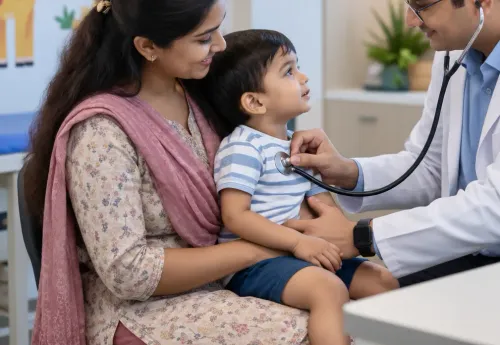
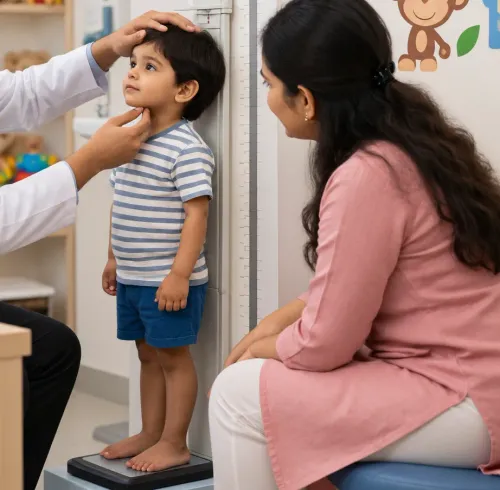
Growth development monitoring involves regularly assessing a child's physical growth, motor skills, cognitive abilities, language development, social interactions, and emotional well-being. Pediatricians compare these observations with standardized growth charts and developmental milestones to ensure children are progressing appropriately.
Regular monitoring also provides an opportunity for parents to discuss concerns about feeding, sleep, learning, behavior, and overall health.
Why Growth Monitoring Should Not Be Skipped
Children experience rapid growth during infancy and early childhood, followed by steady physical and developmental changes through adolescence. Routine assessments help detect concerns before they begin affecting everyday life.
Growth monitoring helps evaluate:
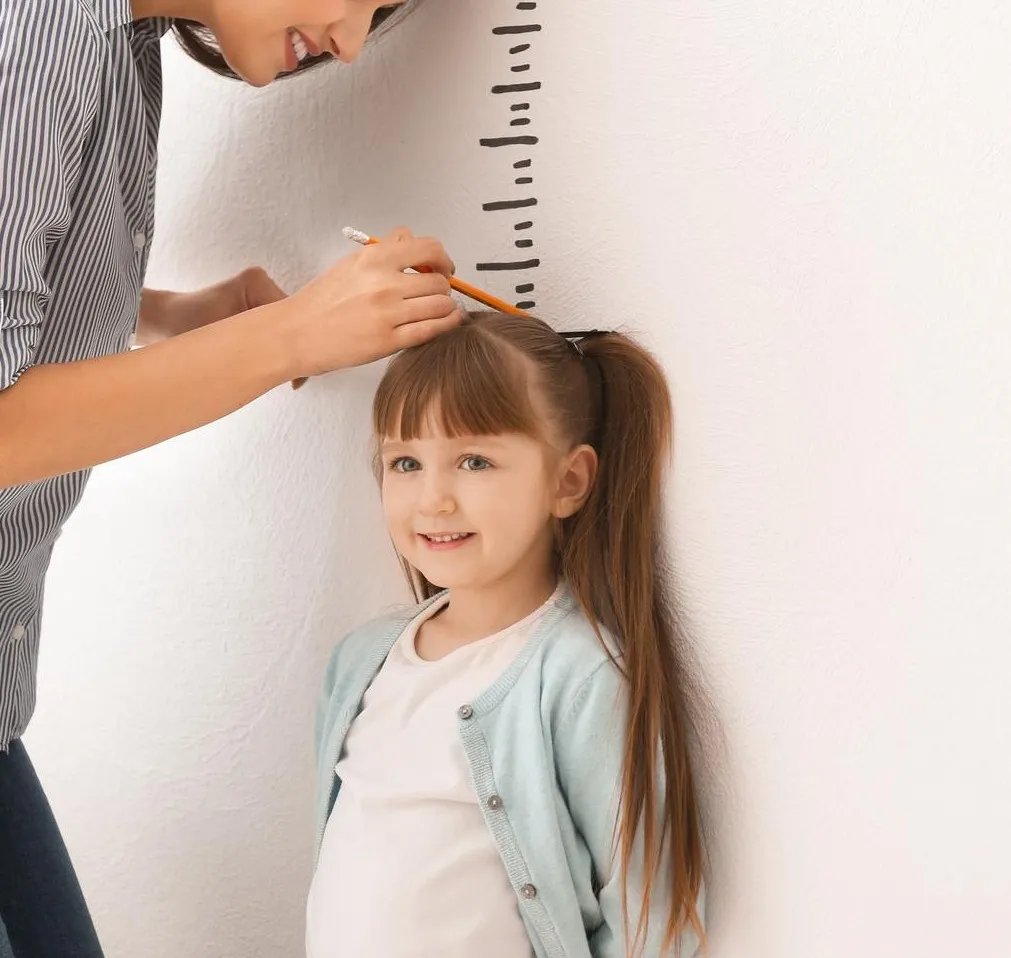
- Height and weight progression
- Head circumference during infancy
- Body Mass Index (BMI)
- Nutritional status
- Motor skill development
- Speech and language milestones
- Vision and hearing development
- Emotional and social skills
Tracking these areas over time provides a clearer picture than relying on a single examination.
Developmental Milestones Every Parent Should Watch
Although every child develops differently, certain milestones help indicate healthy progress.
During Infancy
Doctors assess:
- Head control
- Rolling over
- Sitting independently
- Crawling
- Babbling
- Eye contact
- Response to sounds
During Toddler Years
Monitoring focuses on:
- Walking and running
- Vocabulary development
- Social interaction
- Problem-solving skills
- Self-feeding
- Toilet training readiness
School-Age Children
Assessments include:
- Learning abilities
- Coordination
- Physical fitness
- Emotional development
- Concentration
- Social relationships
Each stage offers valuable insights into a child's overall health.
Early Detection Makes a Difference
Routine monitoring can identify conditions such as:
- Growth delays
- Nutritional deficiencies
- Developmental delays
- Speech disorders
- Hearing problems
- Vision concerns
- Behavioral challenges
- Learning difficulties
Early recognition allows families to begin appropriate interventions while the child's developing brain and body respond most effectively to treatment.
How Parents Can Support Healthy Development
Parents play an important role in encouraging healthy growth by:
- Providing balanced nutrition.
- Encouraging regular physical activity.
- Ensuring adequate sleep.
- Limiting excessive screen time.
- Supporting age-appropriate learning and play.
- Attending routine pediatric checkups.
Open communication with the pediatrician also helps address concerns before they become significant issues.
Growth Monitoring Is About More Than Numbers
Children may appear healthy while subtle developmental concerns remain unnoticed. Growth charts, developmental screening tools, and regular pediatric evaluations help identify patterns that parents may not easily recognize at home.
Routine assessments also provide reassurance when development is progressing normally, giving families greater confidence as their child grows.
Supporting Healthy Childhood Development
Families in Lalbaug increasingly recognize the importance of preventive pediatric care beyond treating illnesses. Regular growth and development monitoring helps children receive timely guidance during every stage of childhood, supporting both physical and emotional well-being.
At Sattva Pediatric Clinic, developmental assessments are tailored to each child's age and individual needs. Dr. Rishabh K. Shah carefully monitors growth milestones, evaluates developmental progress, and works closely with parents to ensure children receive appropriate guidance and intervention whenever required. This proactive approach helps children build a healthier foundation for lifelong development.
Keywords