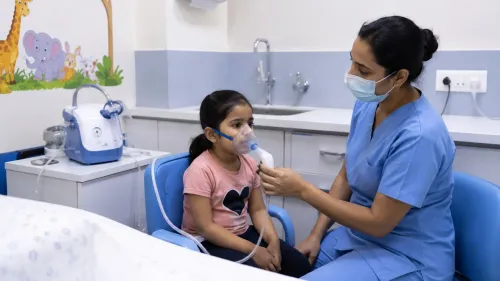

A pediatric visit is more than a quick examination and a prescription: the clinician first decides how urgently the child needs care, then connects the symptoms with age, medical history, examination findings, and hydration or breathing status. By the end, you should know the likely explanation, what to do at home, which warning signs matter, and when the child needs review or emergency care.
Key takeaways
- Bring medication details, allergy information, and your child’s symptom timeline.
- Expect checks of breathing, alertness, hydration, feeding, and circulation.
- Fever, cough, vomiting, and diarrhoea require different examination priorities.
- Seek urgent care for breathing difficulty, severe dehydration, or reduced responsiveness.
What happens from check-in through the first assessment?
At check-in, the clinician confirms the child’s age, main concern, medical history, allergies, and reason for the visit. The pediatric consultation process begins with age-specific triage, not a diagnosis: the team checks whether the child is breathing comfortably, alert, hydrated, able to feed or drink, and showing normal circulation.
Tell the staff immediately if the child has any of these emergency warning signs:
- Severe breathing difficulty, blue or grey lips, pauses in breathing, or chest pulling in with each breath
- Unusual sleepiness, confusion, a seizure, or difficulty waking
- Signs of severe dehydration, such as very little urine, a dry mouth, no tears, or inability to keep fluids down
- A measured temperature of 38°C (100.4°F) or higher in an infant younger than 3 months
- Sudden weakness, a rapidly spreading purple rash, or persistent inconsolable crying
The clinician records child vital signs, including temperature, heart rate, breathing rate, oxygen saturation, and weight. These results are interpreted using pediatric age and sex reference ranges, not adult thresholds.
If the child is stable, the clinician takes a focused history and performs an examination. Routine care may include growth, immunization, developmental, vision, hearing, oral-health, and behavioural checks. Observation fits mild symptoms with reassuring findings; testing is chosen when examination or history points to a specific cause.
Urgent referral follows when warning signs, abnormal oxygenation, poor hydration, or concerning examination findings require emergency treatment or specialist assessment.
What information should you bring and what will the pediatrician ask?
Bring the child’s vaccination record, recent test reports, and a written symptom timeline. Note when symptoms started, whether they are worsening or recurring, measured temperature readings, and anything that triggers or relieves them. Include the child medical history, birth details such as prematurity, chronic conditions, previous admissions, and recent travel or sick contacts.
Tell the pediatrician:
- What the child has eaten or drunk, how often they have urinated, and whether vomiting or diarrhoea contains blood.
- Whether breathing is fast or laboured, swallowing is difficult, sleep is disturbed, or behaviour and alertness have changed.
- The medication names and doses already given, the time of each dose, and whether it helped. Include vitamins, inhalers, antibiotics, and non-prescription remedies.
- The allergy history, including the substance, reaction, and timing. Confirm whether routine immunizations are complete and mention missed doses.
- Any concern about weight, appetite, speech, movement, learning, or social interaction at a preventive visit.
| Complaint | Details to report | What it helps assess |
|---|---|---|
| Fever | Highest reading, thermometer method, duration, chills, rash | Age-related risk and infection pattern |
| Cough or breathing trouble | Noisy breathing, chest pulling in, colour change, feeding difficulty | Breathing effort and oxygenation |
| Vomiting or diarrhoea | Episodes, fluids kept down, urine output, stool appearance | Dehydration and severity |
| Pain | Location, timing, severity, movement or food triggers | Examination focus and possible causes |
How does the examination change for fever, cough, vomiting, diarrhoea, and other complaints?
The examination changes with the symptom, the child’s age, and how unwell the child appears. A pediatric physical examination begins with overall alertness, vital signs interpreted against age and sex ranges, and the child’s ability to feed, drink, interact, and breathe comfortably.
- Fever: The clinician checks temperature, skin colour, alertness, ears, throat, chest, abdomen, and other possible infection sites. A baby younger than 3 months with a measured temperature of 38°C or higher needs prompt medical assessment.
- Cough or noisy breathing: The clinician watches breathing effort, chest movement, breathing rate, oxygenation, and the sounds heard over the lungs. In an infant with bronchiolitis, feeding and hydration matter as much as the cough.
- Vomiting or diarrhoea: The examination looks for dehydration signs, including reduced urine, dry mouth, absent tears, poor skin appearance, delayed capillary refill, unusual sleepiness, and inability to keep fluids down.
- Pain or another complaint: The clinician examines the relevant area while also checking the child’s general condition, movement, appetite, sleep, and behaviour.
A frightened toddler may need time, a parent’s lap, distraction, or examination in stages. Babies communicate through crying, feeding, movement, and interaction; older children can describe location, severity, and timing. Cooperation affects how much can be seen immediately, not whether the concern is taken seriously.
At a routine visit, the clinician also tracks growth and development by reviewing measurements over time, behaviour, communication, movement, and age-appropriate skills.
How are findings explained and turned into a treatment and follow-up plan?
The pediatrician turns examination findings into a working diagnosis, then matches the plan to the child’s age, severity, hydration, breathing, and risk factors. An uncomplicated viral cough or sore throat usually needs supportive care for children, not antibiotics for viral infections. Unnecessary antibiotics can cause side effects and promote resistance.
| Option | What it means | When it applies |
|---|---|---|
| Supportive care | Fluids, rest, saline, feeding support, and comfort measures | Typical viral illness or mild bronchiolitis |
| Medicine | A named drug with a weight-based dose and schedule | Pain, distress, or a confirmed bacterial infection; paracetamol or ibuprofen treats discomfort, not fever alone |
| Tests | A targeted swab, urine test, blood test, or image | The result could change treatment or clarify an uncertain diagnosis |
| Observation | Monitoring without immediate medicine, with a review point | Selected ear infections or mild illness with stable breathing and hydration |
| Referral | Specialist or urgent hospital assessment | Worsening breathing, poor oxygenation, severe dehydration, altered alertness, or another high-risk finding |
- Confirm the diagnosis, what improvement should look like, and the exact follow-up instructions.
- Ask for every medicine’s name, dose, measuring device, timing, duration, and whether it is safe with current medicines.
- Ask which test results are pending and how you will receive them.
- Confirm when to return urgently for worsening breathing, inability to drink, markedly reduced urination, unusual sleepiness, a non-blanching rash, or fever in an infant younger than 3 months.
How can you prepare for the visit and know when routine consultation is not enough?
A calm, rested child is easier to examine than a hungry or overtired one. To prepare child for doctor visit, explain that the clinician will listen, look, and touch gently; let the child choose a comfort toy, and avoid promising that nothing will hurt.
- Write down symptom onset, temperature readings, fluid intake, urine output, breathing changes, medicines and doses, allergies, sick contacts, and recent travel.
- Bring the immunization record, relevant test reports, and details of premature birth, chronic illness, or previous hospital care.
- Dress the child in easy-to-remove layers. Do not give paracetamol or ibuprofen solely to lower a number; use the recommended medicine when fever causes distress, and do not alternate them unless instructed.
- Keep routine appointments even when the child is well. Preventive care includes growth review, immunization checks, oral-health assessment, vision and hearing screening, safety guidance, and developmental surveillance. Standardized developmental screening is recommended at 9, 18, and 30 months, with autism screening at 18 and 24 months.
Routine pediatric care is not enough for difficult breathing, blue or grey lips, severe dehydration, unusual unresponsiveness, a seizure, or inability to wake or drink. When to seek emergency care also includes a measured temperature of 38°C or higher in an infant younger than 3 months.
Use the pediatrician as the coordinator: request dental care for tooth pain or decay, optometry or ophthalmology for vision concerns, and specialist review for persistent or complex disease. Mental-health assessment belongs alongside physical care when anxiety, mood, behaviour, sleep, or development disrupts daily life.
Sattva Pediatric - Dr. Rishabh K. Shah can help families decide whether follow-up, referral, or urgent assessment fits the child’s risk.
Related service
Pediatric Consultation & Neonatal Care Pediatric Consultation & Neonatal Care at Sattva Pediatric Clinic – Dr. Rishabh Shah Dr. Rishabh Shah at Sattva Pediatric Clinic, Lalbaug, South Mumbai, offers comprehensive Pediatric... View service → |
Frequently asked questions
What happens during the first assessment at a pediatric consultation?
The clinician confirms your child’s age, main concern, medical history, allergies, and reason for the visit. The team then checks breathing, alertness, hydration, feeding or drinking, and circulation before detailed examination.
What should parents bring to a pediatric consultation?
Bring your child’s current medicines, allergy details, vaccination and medical records, recent test reports, and a clear timeline of symptoms. Note temperatures, doses given, fluid intake, vomiting or stool frequency, and changes in behaviour.
How does the examination differ for fever, cough, vomiting, or diarrhoea?
For fever, the clinician assesses temperature, alertness, and possible infection sources. Cough assessment focuses on breathing effort and oxygenation. Vomiting and diarrhoea require attention to hydration, fluid intake, urine output, abdominal findings, and stool or vomit details.
How does a pediatrician create a treatment and follow-up plan?
The pediatrician explains the findings, states what to do at home, gives medicine instructions when needed, identifies warning signs, and sets a follow-up timeframe. Ask what improvement should look like and whom to contact if symptoms worsen.
When is a routine pediatric consultation not enough?
Seek urgent medical care for breathing difficulty, blue or grey lips, severe dehydration, repeated inability to keep fluids down, a seizure, unusual difficulty waking, or rapidly worsening symptoms.