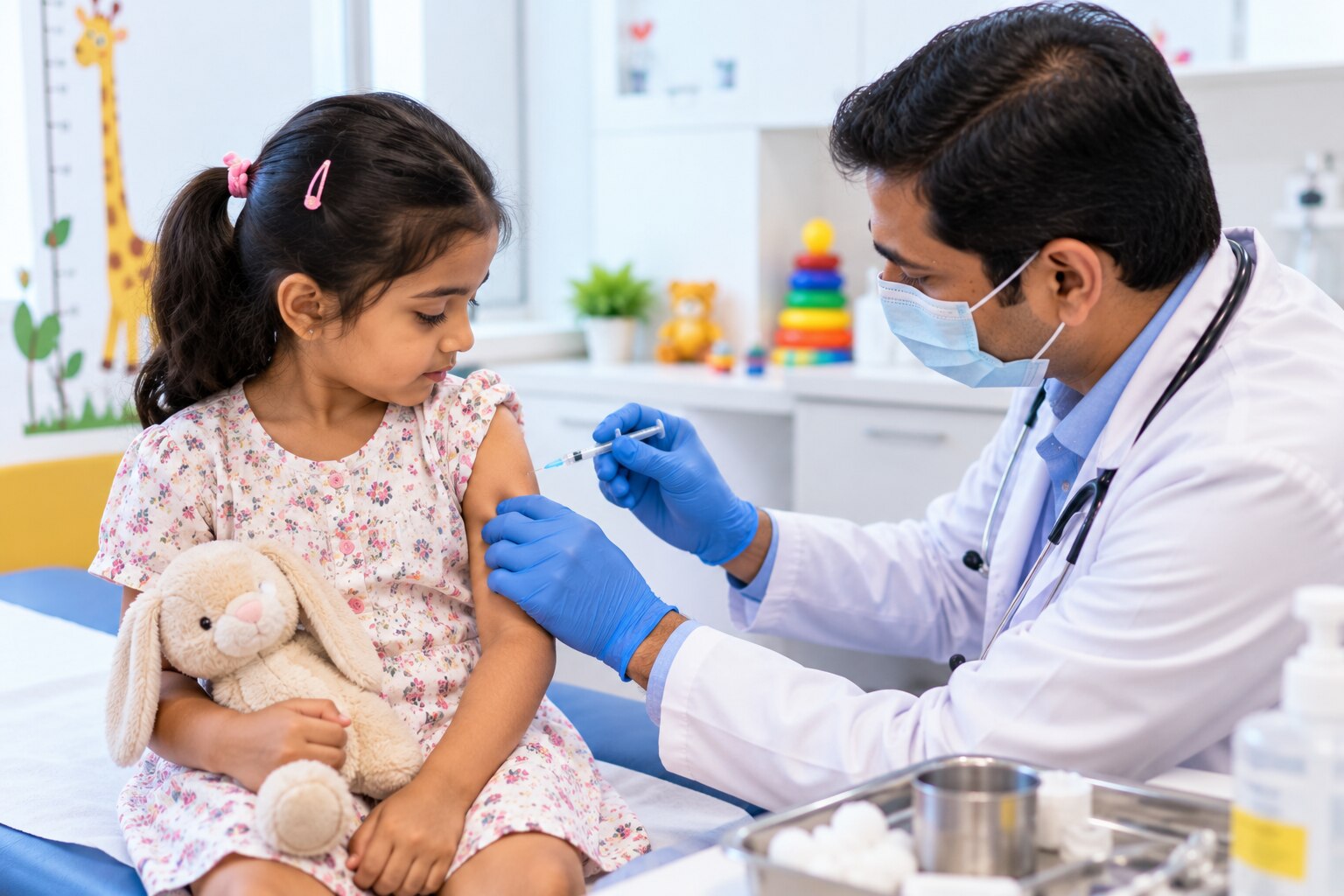
A child can face serious complications from infections that vaccination can prevent, while a missed dose can leave a gap in protection during a vulnerable period. By the end, you will understand what routine vaccines prevent, how to compare schedules, what to do after a delay, and which reactions need medical attention.
Key takeaways
- Vaccines train immune memory without causing the targeted infection.
- Routine childhood vaccines prevent diseases including measles, polio, and whooping cough.
- Ask a healthcare professional for a catch-up schedule after a missed dose.
- Seek urgent care for breathing trouble, facial swelling, or severe weakness after vaccination.
How vaccines protect a child and the people around them
A vaccine shows the immune system a safe form or piece of a germ without requiring the child to suffer the disease. The body makes antibodies and immune memory, so it can recognise the real infection quickly and stop it before illness develops or shorten its course.
Vaccination does not prevent every infection. It does provide reduced severe illness, lowering the risk of pneumonia, brain inflammation, hospitalisation, long-term disability, and death. Multiple doses, boosters, or updated formulations are used when protection fades or the circulating strain changes.
A vaccinated child is less likely to become infected and pass the germ to others. This community protection matters to infants too young to vaccinate, children who have not completed a primary series, and people whose immune systems cannot respond adequately to vaccines.
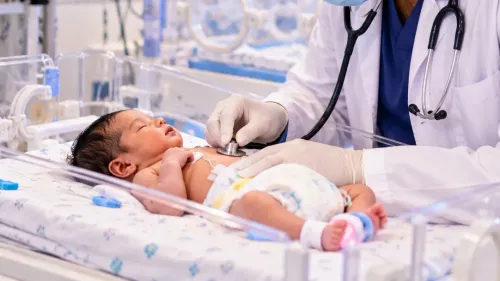
During pregnancy, Tdap at 27–36 weeks transfers antibodies that help protect a newborn from pertussis in the first months.
Delaying a dose leaves the child unprotected during a period when exposure and complications can occur, while also creating more opportunities for transmission. If a dose is late, do not replace vaccination with natural infection: disease can cause serious complications.
A clinician uses the child’s record, age, previous reactions, immune status, and the specific vaccine to plan protection safely.
Which infections childhood vaccines prevent
The main childhood vaccines prevent infections that can damage the brain, lungs, liver, nerves, or hearing—not just short-term fever and discomfort.
| Vaccine | Prevents | Serious complications reduced |
|---|---|---|
| BCG | Tuberculosis | TB meningitis and widespread tuberculosis |
| Hepatitis B | Hepatitis B infection | Cirrhosis and liver cancer |
| DTaP | Diphtheria, tetanus, and pertussis (whooping cough) | Airway blockage, heart or nerve damage, muscle spasms, and pneumonia |
| IPV | Polio | Paralysis and breathing failure |
| Hib | Haemophilus influenzae type b disease | Meningitis, sepsis, pneumonia, and hearing loss |
| Pneumococcal conjugate vaccine | Pneumococcal disease | Meningitis, pneumonia, and bloodstream infection |
| Rotavirus vaccine | Rotavirus gastroenteritis | Severe diarrhoea, dehydration, and hospitalisation |
| MMR | Measles, mumps, and rubella | Measles pneumonia or encephalitis and congenital rubella |
| Varicella vaccine | Chickenpox | Skin infection, pneumonia, and encephalitis |
Measles deserves particular attention: among unvaccinated people who catch it, about one in five is hospitalised, one in 20 develops pneumonia, and one in 1,000 develops encephalitis. Vaccines also reduce illness severity when breakthrough infection occurs, while influenza and other age-specific vaccines add protection against further respiratory complications.
The exact protection depends on the child’s age, dose history, vaccine formulation, and time since vaccination. Natural infection is not a safer substitute: it exposes the child to complications and can spread infection to infants or people who cannot be vaccinated.
Routine vaccines, additional vaccines, and the cost of delaying protection
The India National Immunization Schedule is the public-health baseline; a private pediatric schedule may add vaccines or use different product timing after reviewing a child’s age, health, exposure risks, and available evidence. “Additional” does not mean the government schedule is unnecessary.
| Schedule | What it covers | Why timing matters |
|---|---|---|
| India National Immunization Schedule | Core vaccines provided through India’s public programme | Missing a dose leaves protection incomplete during a vulnerable period |
| Private pediatric schedule | National-schedule vaccines plus selected additional vaccines | The clinician can tailor protection, but extra doses still need correct intervals |
| Pregnancy and birth protection | Maternal Tdap vaccination and the hepatitis B birth dose | The newborn needs protection before completing infant vaccinations |
Maternal Tdap vaccination during every pregnancy, preferably at 27–36 weeks, transfers antibodies that help protect a newborn from pertussis.
A medically stable infant weighing at least 2,000 g should receive the hepatitis B birth dose within 24 hours; if the mother has hepatitis B, give hepatitis B vaccine and hepatitis B immune globulin within 12 hours.
Do not postpone a discussion about rotavirus: the first dose must be given before 15 weeks, and the final dose by 8 months 0 days. A mild cold or low-grade fever usually does not require delay, but a severe previous allergic reaction, severe immunocompromise, or significant acute illness needs clinical review.
Delaying protection leaves the child exposed and can increase spread to infants too young to finish vaccination. Sattva Pediatric - Dr. Rishabh K. Shah can use the child’s written record, prior reactions, immune status, and product history to select safe intervals instead of applying one schedule blindly.
Related service
Childrens Vaccination Children's Vaccination & Immunization at Sattva Pediatric Clinic – Dr. Rishabh Shah Dr. View service → |
What to do when a vaccine dose is late or missing
Do not restart a vaccine series simply because a dose is late. A clinician can use catch-up vaccination to continue from the last valid dose, spacing the remaining doses according to the vaccine’s minimum intervals. A longer gap usually reduces protection during the delay; it does not erase immune memory.
Bring every record to the appointment. The vaccination card and digital immunization record show the vaccine name, date, product, and sometimes the lot number—details that determine whether a dose counts. If records cannot be verified, the clinician may recommend repeating selected doses; extra doses are safer than leaving a child unprotected.
Use this checklist:
- Book the catch-up visit promptly instead of waiting for the next routine-age appointment.
- Ask the clinician to check each dose against the current catch-up schedule and minimum intervals; never shorten intervals to “catch up” faster.
- Mention pregnancy exposure, immune-system problems, severe allergies, and any serious reaction after a previous dose.
- Do not postpone vaccination for a mild cold, low-grade fever, or mild diarrhea. Moderate or severe acute illness can require a short delay.
- Confirm age limits before delaying infant vaccines. Rotavirus has strict limits: the first dose must be given before 15 weeks, and the final dose by 8 months 0 days.
- Confirm newborn hepatitis B timing, especially if the birth parent has hepatitis B; vaccine and hepatitis B immune globulin are time-sensitive.
Natural infection is not a safer substitute: it can cause complications and spread to vulnerable infants.
What to expect after vaccination and when to seek help
Soreness at the injection site, mild swelling, irritability, sleepiness, and a low-grade fever after vaccination usually settle within one to three days. Offer fluids, keep clothing light, and use a fever medicine only at the dose recommended for your child; do not give aspirin.
| Symptom | What it usually means | What to do |
|---|---|---|
| Injection-site pain | Local immune response | Comfort the child; seek advice if redness rapidly spreads or pain worsens after 48 hours |
| Fever after vaccination | Expected short-term reaction | Check the temperature; seek advice for a high or persistent fever |
| Fainting | Brief reaction to the injection or fear | Lay the child flat and supervise; get urgent help if recovery is slow, breathing is abnormal, or injury occurred |
| Hives, facial swelling, breathing difficulty, collapse, or a seizure | Possible serious reaction | Call emergency services immediately |
A seizure after MMR vaccination is uncommon, occurring in roughly 1 in 3,000–4,000 children; it is not linked with long-term effects in otherwise healthy children. A baby younger than three months with a temperature of 38°C or higher needs prompt medical assessment.
Bring these items to every vaccination visit:
- The immunization card, electronic record, and any hospital birth record
- Dates and names of previous vaccines, if available
- A list of allergies, medicines, medical conditions, and earlier reactions
- Your questions about missed doses and rotavirus age limits: the first dose must be before 15 weeks, and the final dose by 8 months 0 days
Frequently asked questions
How do vaccines protect children and the people around them?
Vaccines train the immune system to recognise a germ, produce antibodies, and respond faster during real exposure. Fewer infections also reduce spread to infants and people with weakened immunity.
Which infections do childhood vaccines prevent?
Childhood vaccination programmes protect against infections such as measles, polio, diphtheria, tetanus, pertussis, hepatitis B, Hib disease, pneumococcal disease, rotavirus, and chickenpox, depending on the national schedule.
What should you do if a child’s vaccine dose is late or missing?
Do not restart the entire series. Contact the child’s healthcare professional with the vaccination record and request a catch-up schedule.
What should you expect after a child is vaccinated?
Soreness, mild fever, tiredness, or irritability can occur and usually settle with routine care. Seek urgent help for breathing difficulty, facial swelling, collapse, or other severe symptoms.