
The early years of a child's life are filled with rapid physical, emotional, and developmental changes. While parents often seek medical care when their child is unwell, regular pediatric consultation plays an equally important role in monitoring healthy growth and preventing potential health concerns. Understanding when to schedule a pediatric consultation can help ensure that children receive timely medical attention, developmental guidance, and preventive care.
From birth through adolescence, routine visits allow pediatricians to track milestones, answer parents' questions, and identify concerns before they become more serious.
Why Regular Pediatric Consultations Matter
A pediatric consultation is much more than treating illnesses. It provides an opportunity to assess a child's overall well-being, including growth, nutrition, behavior, sleep, and developmental progress. These visits also allow parents to discuss feeding habits, vaccination schedules, and age-specific concerns.
Children grow quickly during infancy and early childhood, making routine assessments essential for detecting any delays or underlying medical conditions at an early stage.
Important Times to Schedule a Pediatric Consultation
Parents should consider scheduling pediatric visits during several important stages of childhood.
Shortly After Birth
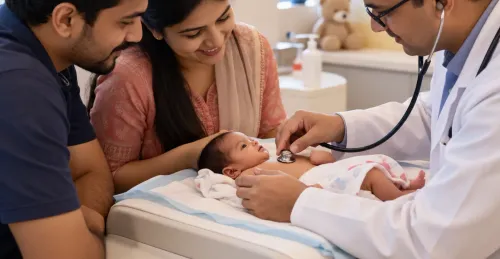
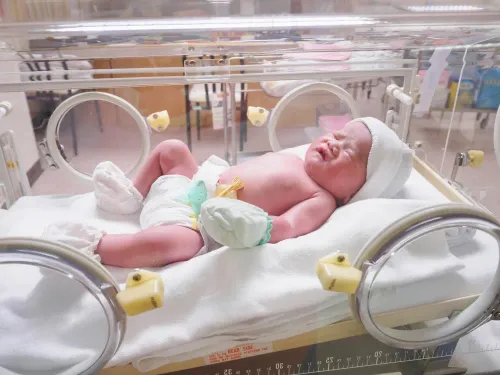
A newborn should be examined within the first few days after leaving the hospital. During this visit, the pediatrician checks:
- Weight gain and feeding patterns
- Jaundice or skin color changes
- Umbilical cord healing
- Sleep habits
- General newborn health
This early assessment helps ensure a smooth transition from hospital care to home.
During the First Year
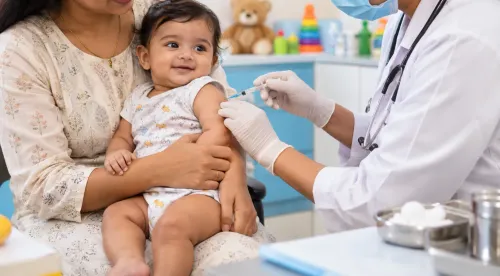
The first year includes multiple well-baby visits because babies develop rapidly. Regular consultations help monitor:
- Head circumference
- Height and weight
- Feeding progress
- Motor skill development
- Vision and hearing responses
- Vaccination progress
These appointments also provide guidance for introducing solid foods, teething, and establishing healthy routines.
During Toddler Years
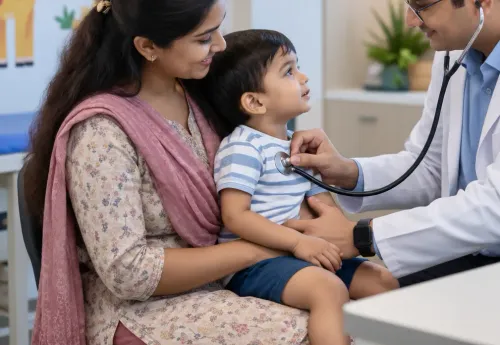
Between one and three years of age, children become increasingly active and curious. Pediatric consultations during this period help evaluate:
- Walking and movement
- Speech development
- Social interaction
- Nutrition
- Toilet training readiness
- Behavioral development
Routine monitoring helps identify developmental concerns that may benefit from early intervention.
School-Age Children
Even healthy children should continue annual pediatric checkups. These visits assess:
- Physical growth
- Learning progress
- Vision and hearing
- Emotional well-being
- Sports fitness
- Lifestyle habits
Preventive care becomes increasingly valuable as children spend more time in school and group settings.
Signs Your Child Should See a Pediatrician Earlier
While routine visits are important, parents should not wait for the next scheduled appointment if certain symptoms appear.
Seek medical advice if your child experiences:
- Persistent fever
- Difficulty breathing
- Poor feeding
- Repeated vomiting
- Ongoing diarrhea
- Frequent infections
- Skin rashes that worsen
- Poor weight gain
- Delayed speech or movement
- Sudden behavioral changes
Early medical evaluation often leads to quicker diagnosis and more effective treatment.
Supporting Parents Beyond Illness
Many first-time parents have questions that are completely normal. Pediatric consultations provide a trusted space to discuss concerns such as:
- Breastfeeding or formula feeding
- Sleep routines
- Colic
- Allergies
- Nutrition
- Screen time
- School readiness
- Emotional development
Receiving professional guidance can make parenting decisions more confident and less stressful.
The Value of Preventive Pediatric Care
Preventive healthcare helps reduce the risk of future complications. Regular consultations allow doctors to identify subtle health concerns before symptoms become severe.
Preventive visits may include:
- Growth assessments
- Developmental screening
- Vaccination reviews
- Nutritional counselling
- Safety advice
- Early detection of childhood illnesses
This proactive approach supports healthier long-term outcomes.
Pediatric Care for Families in Lalbaug
Families living in Lalbaug benefit from having access to experienced pediatric care close to home. Regular consultations make it easier to maintain vaccination schedules, monitor childhood development, and receive timely treatment whenever concerns arise.
At Sattva Pediatric Clinic, children receive age-appropriate medical care in a family-friendly environment. Dr. Rishabh K. Shah believes that building a long-term relationship with families helps ensure consistent monitoring throughout every stage of childhood, allowing parents to feel supported as their children grow.
Scheduling pediatric consultations at the right time helps children stay healthy, supports normal development, and gives parents the reassurance that expert guidance is always available when needed.
Keywords