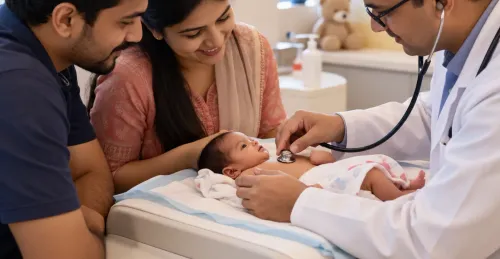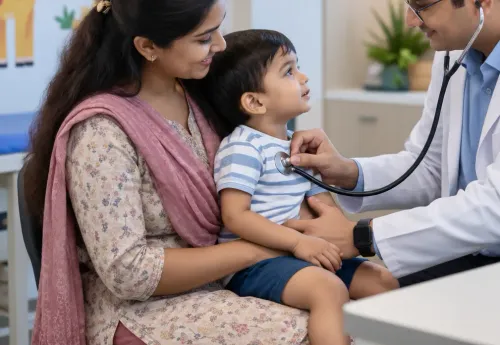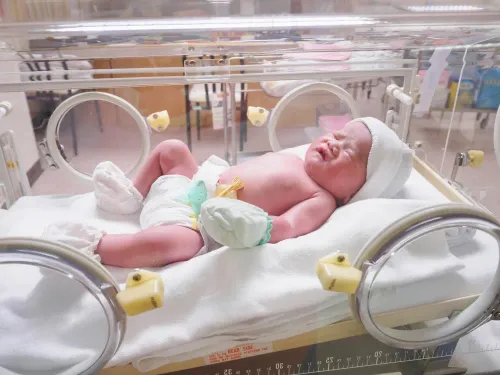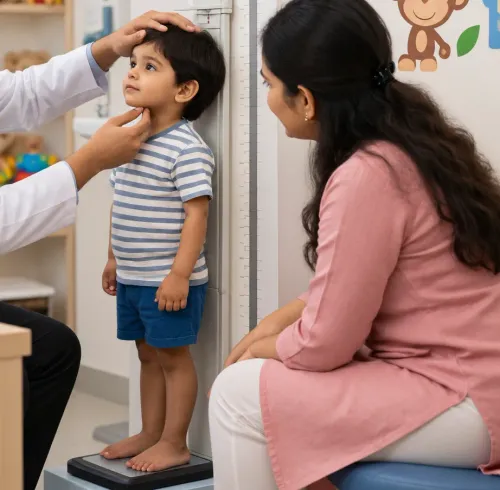
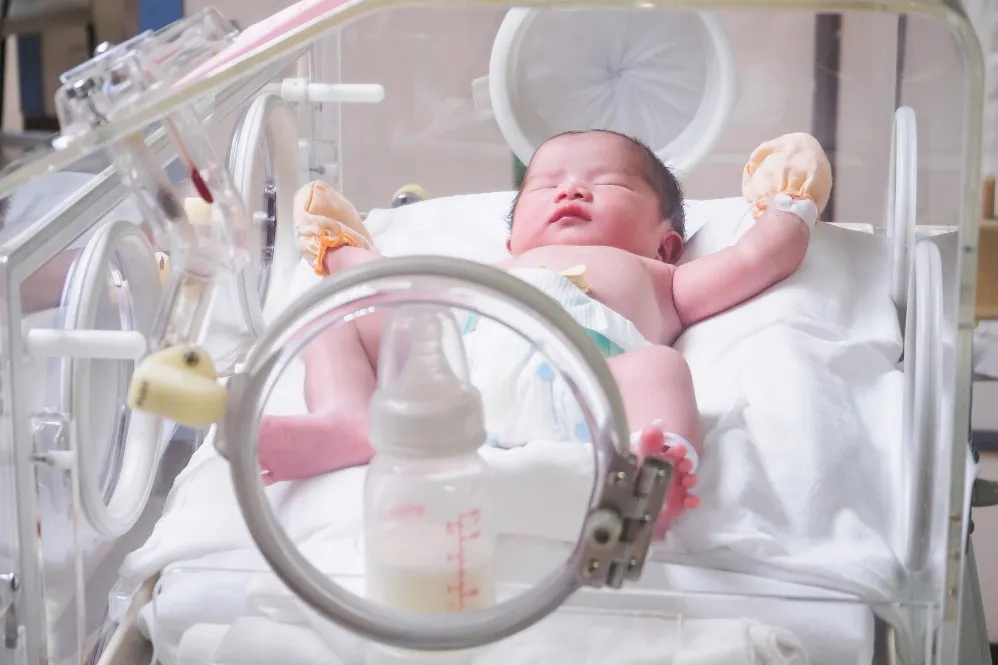
Premature babies require specialized medical attention because they are born before completing their full period of development in the womb. Their organs, immune system, lungs, and digestive system often need additional support during the first year of life. With proper premature infant care, many babies born early go on to achieve healthy growth and normal developmental milestones.
Parents often feel anxious after bringing a premature baby home, but regular follow-up care and close monitoring provide valuable reassurance while supporting the baby's overall development.
What Is Premature Infant Care?
Premature infant care focuses on the unique medical, nutritional, and developmental needs of babies born before 37 weeks of pregnancy. Unlike full-term infants, premature babies require more frequent health assessments to ensure they are growing and developing appropriately.
Care extends well beyond the neonatal period and continues throughout infancy, especially during the first year when growth is most rapid.
Why Premature Babies Need Extra Monitoring
Premature infants may face challenges because several body systems continue developing after birth.
Doctors monitor:
- Weight gain
- Feeding progress
- Breathing patterns
- Body temperature regulation
- Vision and hearing
- Brain development
- Muscle tone
- Immunity
- Sleep patterns
Regular evaluations help identify concerns before they interfere with healthy development.
Nutrition Plays a Key Role
Proper nutrition is one of the most important aspects of premature infant care.
Pediatricians monitor whether babies are:
- Feeding effectively
- Gaining weight consistently
- Receiving adequate nutrients
- Tolerating feeds comfortably
- Remaining well hydrated
Parents may also receive guidance regarding breastfeeding, expressed breast milk, formula supplementation, and vitamin support when necessary.
Developmental Follow-Up During the First Year
Premature babies often reach developmental milestones according to their corrected age rather than their actual birth date.
Regular follow-up appointments evaluate:
- Head control
- Rolling over
- Sitting independently
- Crawling
- Vision tracking
- Hearing responses
- Speech development
- Social interaction
These assessments help ensure the baby is progressing appropriately over time.
Preventing Illness During Infancy
Because premature babies may have less mature immune systems, reducing infection risk is especially important.
Parents can help by:
- Following the recommended vaccination schedule.
- Practicing good hand hygiene.
- Avoiding unnecessary exposure to crowded places during illness seasons.
- Keeping regular pediatric appointments.
- Seeking medical advice promptly when symptoms appear.
Preventive care plays a significant role in supporting healthy growth.
Supporting Parents Throughout the Journey
Caring for a premature infant can be emotionally challenging. Parents often have questions about feeding, sleeping, development, and daily care.
Routine follow-up visits provide opportunities to discuss:
- Feeding concerns
- Weight gain
- Medication if required
- Developmental milestones
- Safe sleep practices
- Home care routines
- Future developmental expectations
Professional guidance helps families feel more confident during this important stage.
Long-Term Benefits of Premature Infant Care
Comprehensive follow-up care contributes to:
- Better physical growth
- Improved nutritional status
- Earlier identification of developmental delays
- Better respiratory health
- Timely specialist referrals when needed
- Greater parental confidence
The first year offers an important window to support healthy long-term development.
Premature Infant Follow-Up for Families
Parents in Lalbaug who welcome premature babies often benefit from regular pediatric follow-up that focuses on growth, nutrition, and developmental progress. Ongoing medical supervision helps ensure infants receive individualized care during this critical stage of life.
At Sattva Pediatric Clinic, premature infant care includes detailed developmental monitoring, nutritional guidance, and regular health assessments designed to meet each baby's unique needs. Dr. Rishabh K. Shah works closely with families to monitor progress throughout the first year, helping parents understand developmental milestones while providing compassionate support that encourages healthy growth and long-term well-being.
Keywords