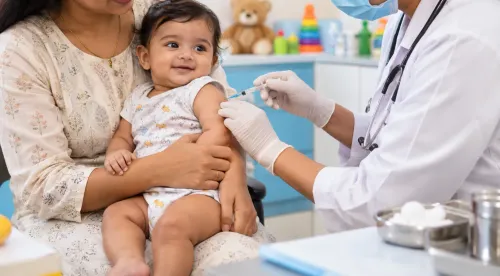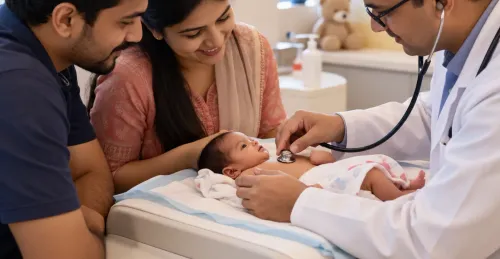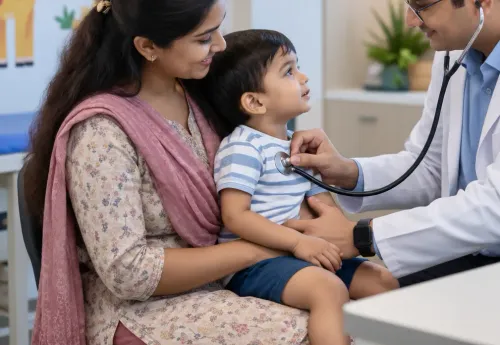

Children grow and develop rapidly, and many health conditions can emerge gradually without obvious symptoms. Regular pediatric consultations are essential not only when a child is sick but also for identifying concerns before they begin affecting growth, learning, or overall well-being. Early detection allows timely treatment, better health outcomes, and greater peace of mind for parents.
Routine pediatric checkups create opportunities to monitor every aspect of a child's health while building a trusted relationship between families and their healthcare provider.
Why Early Detection Matters
Many childhood conditions respond better when identified at an early stage. During routine consultations, pediatricians assess physical growth, developmental milestones, nutrition, behaviour, and general health to identify subtle changes that parents may not notice at home.
Detecting concerns early often means:
- Simpler treatment plans
- Better recovery
- Fewer complications
- Improved long-term development
- Reduced need for emergency medical care
Preventive healthcare remains one of the most valuable investments in a child's future.
What Happens During a Pediatric Consultation?
A comprehensive pediatric consultation involves much more than treating symptoms.
The doctor may evaluate:
- Height and weight
- Growth charts
- Nutrition
- Developmental milestones
- Vision and hearing
- Sleep habits
- Behaviour
- School performance
- Vaccination status
- General physical examination
The consultation is also an opportunity for parents to discuss any concerns, even if they seem minor.
Health Concerns That Can Be Identified Early
Routine pediatric evaluations may help detect:
- Nutritional deficiencies
- Growth delays
- Developmental delays
- Allergies
- Asthma
- Recurrent infections
- Vision or hearing problems
- Speech delays
- Behavioural concerns
- Learning difficulties
Recognizing these issues early allows families to begin appropriate treatment or specialist referrals without unnecessary delays.
Warning Signs Parents Should Not Ignore
Parents should arrange a pediatric consultation if their child experiences:
- Poor weight gain
- Delayed speech
- Persistent fever
- Frequent infections
- Ongoing cough
- Difficulty breathing
- Poor appetite
- Unusual tiredness
- Changes in behaviour
- Delayed developmental milestones
Even when symptoms appear mild, professional evaluation helps determine whether further investigation is necessary.
The Role of Preventive Pediatric Care
Preventive healthcare focuses on maintaining wellness rather than simply treating illness.
Routine pediatric visits support:
- Healthy growth monitoring.
- Developmental screening.
- Timely vaccinations.
- Nutrition guidance.
- Parent education.
- Early identification of emerging health concerns.
These regular assessments help children remain healthy throughout every stage of development.
Preparing for a Pediatric Appointment
Parents can make consultations more productive by:
- Bringing vaccination records
- Noting recent symptoms
- Recording questions in advance
- Mentioning changes in eating or sleeping habits
- Discussing school or behavioural concerns
Open communication enables the pediatrician to provide personalized recommendations based on the child's individual needs.
Supporting Healthy Childhood
Families in Lalbaug increasingly recognize the value of routine pediatric consultations for preventive healthcare. Regular checkups provide opportunities to monitor healthy development while identifying medical concerns before they become more complex.
At Sattva Pediatric Clinic, comprehensive pediatric consultations are designed to support children from infancy through adolescence. Dr. Rishabh K. Shah combines careful clinical assessment with practical guidance for parents, helping families make informed decisions that promote healthy growth, early diagnosis, and long-term well-being.
Keywords