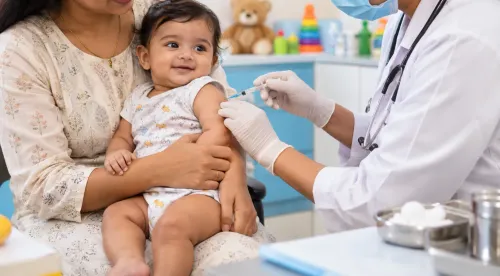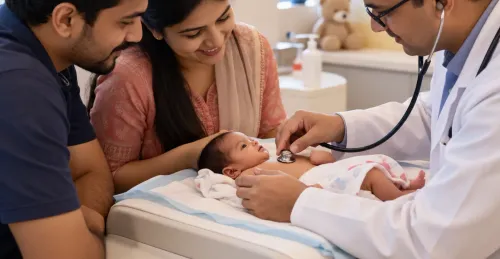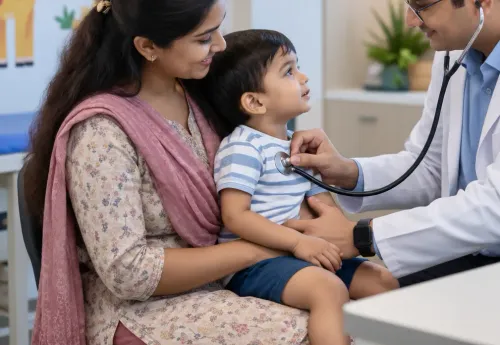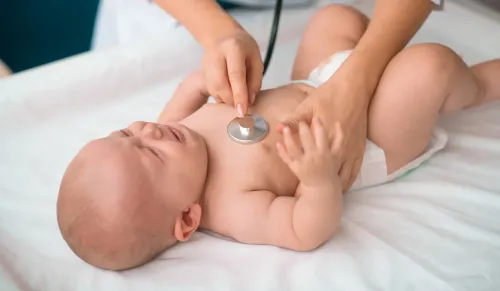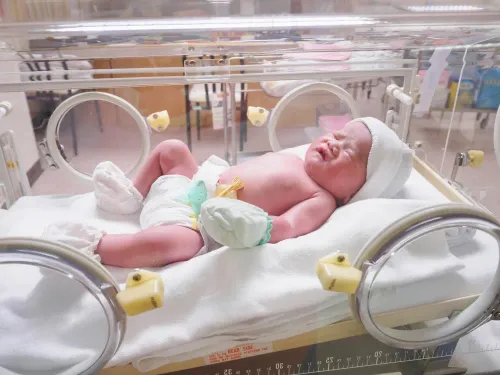
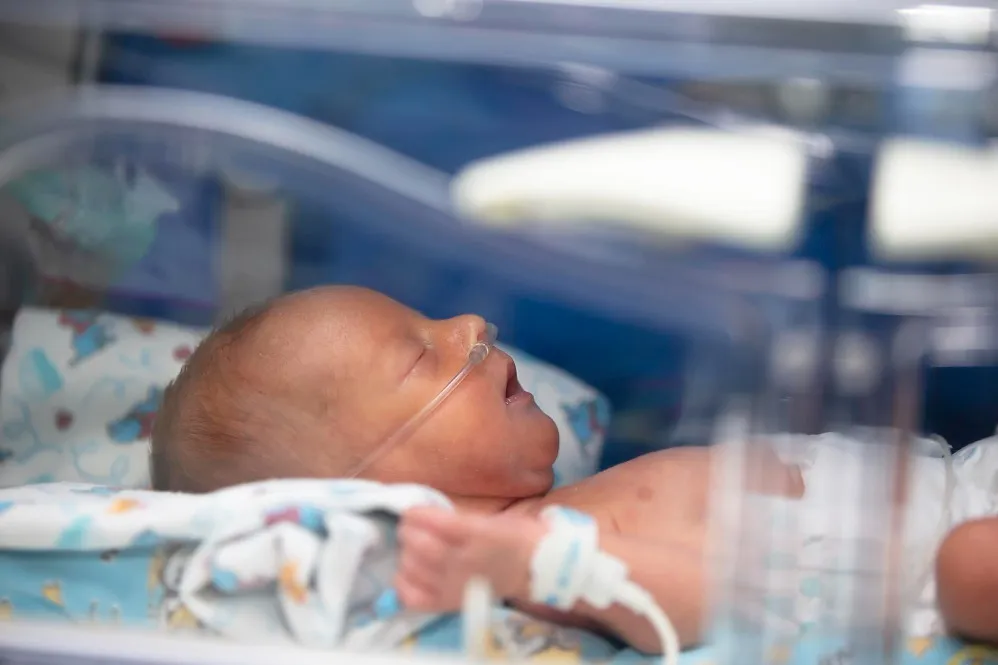
The first few weeks after birth are among the most important stages of a baby's life. During this period, newborns adapt to life outside the womb while their organs continue to mature and develop. Although many babies are born healthy, every newborn benefits from careful medical observation and timely neonatal care to ensure a safe and healthy beginning.
Neonatal care focuses on identifying health concerns early, supporting feeding and growth, and helping babies adjust successfully during their first month of life.
What Is Neonatal Care?
Neonatal care refers to specialized medical attention provided to newborn babies from birth through the first 28 days of life. This care includes routine examinations, monitoring of vital signs, feeding support, developmental assessment, and treatment for any conditions that may arise shortly after birth.
Some newborns require only regular observation, while others may need additional medical support due to premature birth, low birth weight, infections, or breathing difficulties.
Why the First Month Is So Important
A newborn undergoes remarkable physical changes immediately after delivery. The lungs begin functioning independently, feeding patterns are established, and body temperature regulation improves.
Healthcare professionals monitor several important aspects during neonatal care, including:
- Breathing
- Heart function
- Body temperature
- Weight gain
- Feeding efficiency
- Reflexes
- Skin condition
- Jaundice
- Infection risk
Regular monitoring helps detect problems before they become serious.
Babies Who May Need Additional Neonatal Support
Although every newborn deserves medical evaluation, some babies require closer observation.
These include:
- Premature infants
- Low birth weight babies
- Twins or multiple births
- Babies with breathing difficulties
- Newborns with prolonged jaundice
- Infants born after high-risk pregnancies
- Babies with feeding challenges
Early intervention significantly improves recovery and long-term development.
Feeding and Growth Monitoring
Proper nutrition is one of the biggest priorities during the neonatal period.
Doctors carefully monitor:
- Breastfeeding effectiveness
- Formula feeding if required
- Daily weight gain
- Hydration
- Urine output
- Feeding frequency
Parents also receive practical guidance on feeding positions, burping techniques, and recognizing hunger cues.
Healthy feeding habits established early often contribute to better growth throughout infancy.
Early Detection Prevents Complications
Many newborn conditions show only subtle warning signs during the first few days.
Neonatal care helps identify issues such as:
- Severe jaundice
- Blood sugar abnormalities
- Infections
- Congenital conditions
- Breathing disorders
- Feeding difficulties
Prompt diagnosis allows treatment to begin before complications develop.
Supporting Parents During the Transition Home
Bringing a newborn home can feel overwhelming, particularly for first-time parents. Neonatal follow-up appointments provide reassurance and practical advice.
Parents commonly receive guidance about:
- Safe sleep practices
- Umbilical cord care
- Bathing
- Recognizing fever
- Normal crying patterns
- Skin care
- Vaccination planning
- Follow-up appointments
Having access to expert advice reduces anxiety and helps parents care for their newborn with greater confidence.
Long-Term Benefits of Quality Neonatal Care
Good neonatal care extends beyond the first few weeks. Early monitoring contributes to healthier development by ensuring babies receive the right support from the beginning.
Potential long-term benefits include:
- Better physical growth
- Improved feeding success
- Earlier identification of developmental concerns
- Reduced risk of complications
- Stronger parent education
- Timely referrals when needed
These early interventions often have a lasting impact on a child's health.
Neonatal Care for Families
Parents in Lalbaug increasingly recognize the importance of specialized newborn care during the earliest days of life. Access to experienced neonatal support helps families navigate common newborn concerns while ensuring babies receive close medical supervision when it matters most.
At Sattva Pediatric Clinic, newborn assessments are designed to monitor each baby's health, growth, and early development in a compassionate setting. Dr. Rishabh K. Shah works closely with parents to address feeding concerns, monitor newborn progress, and provide guidance tailored to each infant's individual needs, helping families begin their parenting journey with confidence and informed medical support.
Keywords