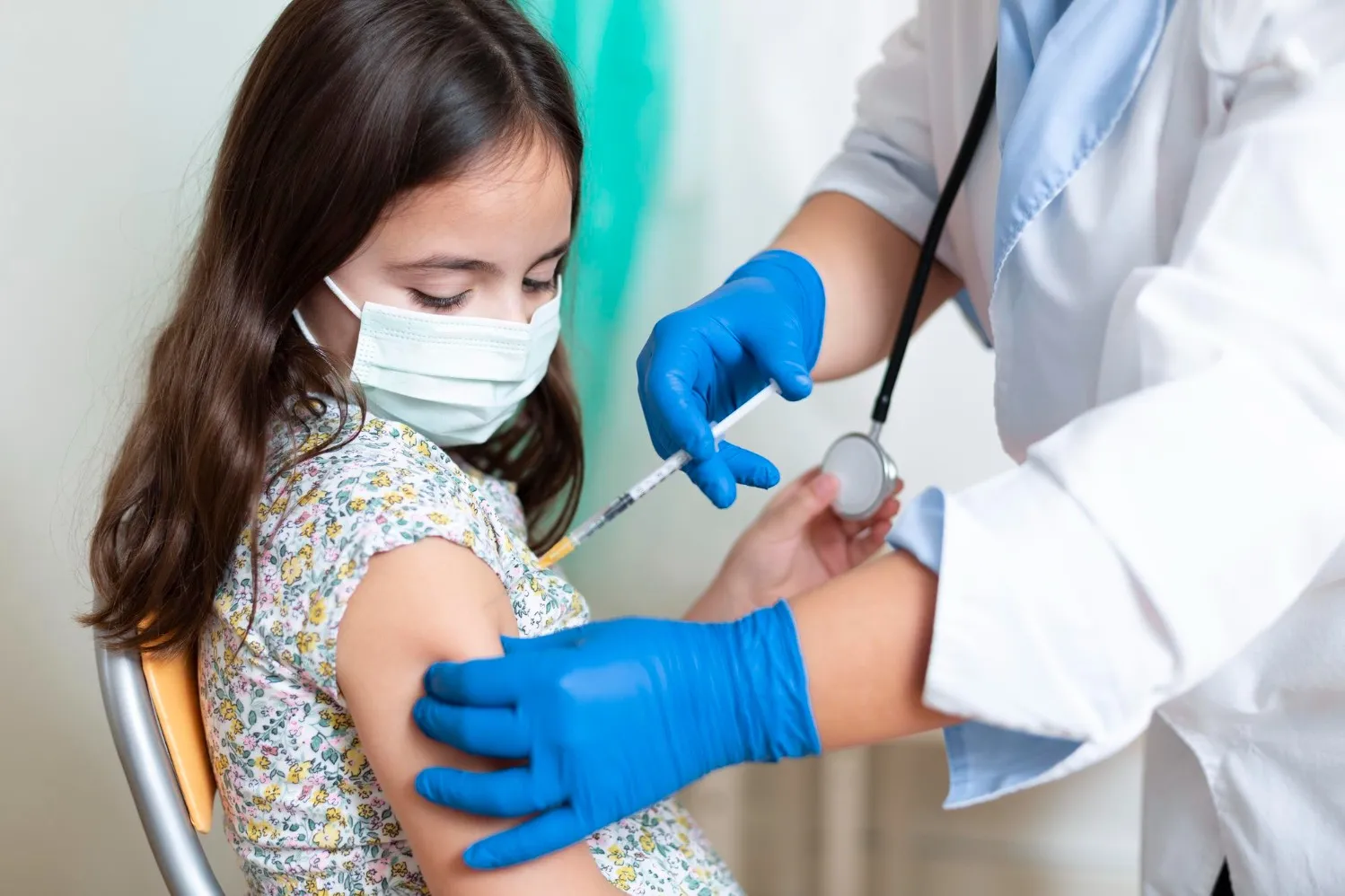
Vaccination has transformed child healthcare by preventing illnesses that once caused serious complications and even loss of life. Today, routine childhood immunization remains one of the safest and most effective ways to protect children from preventable diseases. By following the recommended vaccination schedule, parents help strengthen their child's immune system while contributing to the health of the wider community.
Understanding how vaccines work and why timely immunization matters empowers families to make informed healthcare decisions throughout childhood.
How Vaccines Protect Children
Vaccines stimulate the body's immune system to recognize and fight specific infections without causing the disease itself. Once vaccinated, the immune system remembers these organisms and responds quickly if the child is exposed in the future.
This protection helps reduce the likelihood of severe illness, hospitalization, and long-term complications.
Diseases That Vaccination Helps Prevent
Routine childhood immunization protects against several serious diseases, including:
- Polio
- Measles
- Mumps
- Rubella
- Diphtheria
- Pertussis (whooping cough)
- Tetanus
- Hepatitis B
- Rotavirus
- Pneumococcal infections
- Haemophilus influenzae type b (Hib)
Many of these diseases have become uncommon because vaccination programs have been widely adopted.
Why Timely Vaccination Is Important
Vaccines are scheduled according to a child's age because the immune system develops rapidly during infancy and early childhood. Receiving vaccines at the recommended time provides protection when children are most vulnerable.
Delaying vaccinations may increase the risk of infection before immunity has developed.
Parents should also remember that booster doses are essential for maintaining long-term protection.
Common Misconceptions About Vaccination
Parents sometimes encounter conflicting information about vaccines. Understanding the facts helps reduce unnecessary anxiety.
Are vaccines safe?
Yes. Vaccines undergo extensive testing and continuous safety monitoring before being included in national immunization programs.
Can children receive multiple vaccines during one visit?
Yes. Pediatricians often recommend multiple vaccines during the same appointment when appropriate. This approach is carefully studied and considered safe.
What side effects are normal?
Most children experience only mild effects such as temporary soreness at the injection site, slight fever, or mild irritability. Serious reactions are uncommon, and healthcare providers explain what parents should expect after vaccination.
Supporting Your Child Before and After Vaccination
Parents can make vaccination visits more comfortable by:
- Keeping the child calm and well hydrated.
- Dressing infants in comfortable clothing.
- Following the pediatrician's after-care advice.
- Monitoring for mild fever or soreness.
- Continuing normal feeding unless otherwise advised.
Simple preparation often makes the experience easier for both children and parents.
Vaccination Benefits the Whole Community
When a high percentage of children are vaccinated, diseases spread less easily within the community. This indirect protection helps safeguard newborns, elderly individuals, and people with weakened immune systems who may be more vulnerable to infections.
Maintaining high vaccination coverage contributes to healthier schools, families, and neighbourhoods.
Childhood Vaccination Support
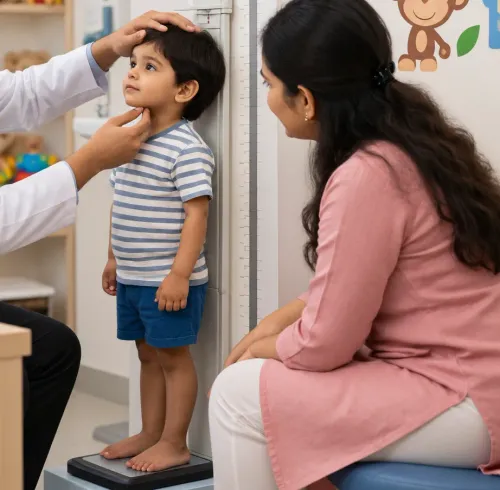
Families in Lalbaug benefit from access to pediatric services that emphasize preventive healthcare alongside the treatment of childhood illnesses. Keeping vaccinations up to date protects children while allowing pediatricians to monitor growth and development during regular visits.
At Sattva Pediatric Clinic, childhood immunization is planned according to established pediatric guidelines and each child's individual healthcare needs. Dr. Rishabh K. Shah helps parents understand vaccination schedules, addresses common concerns, and ensures children receive timely protection against preventable diseases while supporting their overall health and development.
Keywords