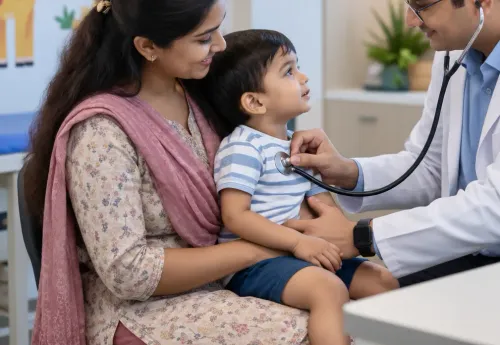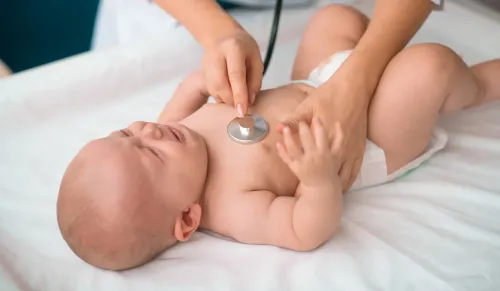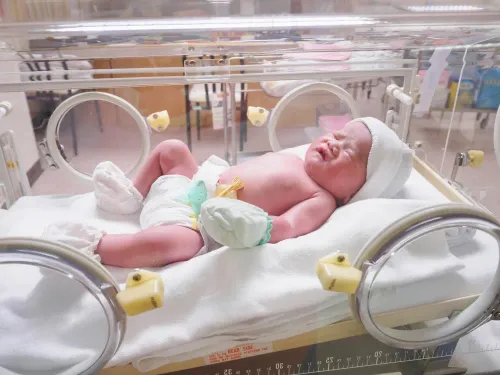
Breathing difficulties in children can develop quickly, making timely medical care essential. Conditions such as asthma, bronchiolitis, allergic reactions, and respiratory infections may narrow the airways, making it difficult for children to breathe comfortably. In many situations, nebulisation provides an effective method of delivering medication directly to the lungs, helping children breathe more easily.
Understanding how a nebulisation facility works can help parents feel more confident when their child requires respiratory treatment.
What Is Nebulisation?
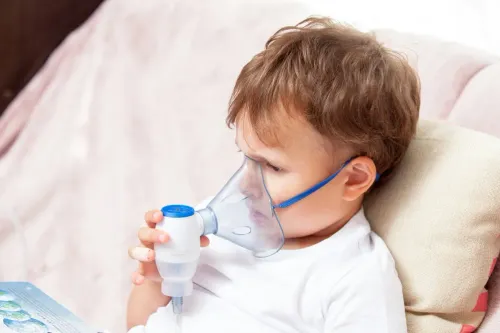
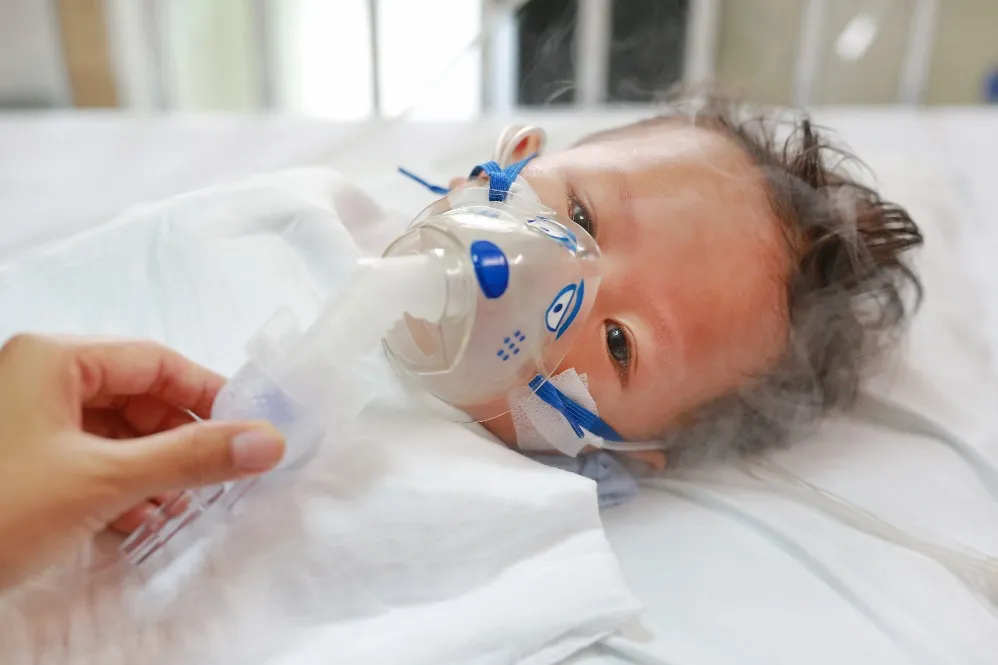
Nebulisation is a treatment that converts liquid medication into a fine mist, allowing it to be inhaled through a mask or mouthpiece. Because the medicine reaches the lungs directly, it begins working where it is needed most.
This treatment is especially useful for infants and young children who may not be able to use inhalers correctly.
When Is Nebulisation Recommended?
A pediatrician may recommend nebulisation for children experiencing:
- Wheezing
- Asthma attacks
- Bronchiolitis
- Persistent cough with airway narrowing
- Allergic breathing problems
- Certain respiratory infections
The decision depends on the child's symptoms, age, and clinical examination.
How Nebulisation Helps Children
Nebulised medication provides several important benefits:
Opens Narrowed Airways
Medicines help relax the muscles surrounding the airways, making breathing easier.
Reduces Airway Inflammation
Certain medications decrease swelling inside the air passages, improving airflow.
Delivers Medication Directly
Unlike oral medicines, nebulised treatment acts directly within the lungs, providing targeted relief.
Suitable for Young Children
Infants and toddlers often tolerate nebulisation more easily than inhalers because they only need to breathe normally during treatment.
What Parents Can Expect During Treatment
Nebulisation sessions are generally simple and painless.
During treatment:
- The child wears a comfortable face mask or uses a mouthpiece.
- Medication is placed into the nebuliser chamber.
- The machine creates a fine mist.
- The child breathes normally until the medicine is fully inhaled.
Most sessions take only a few minutes.
Parents are encouraged to remain calm and reassure younger children throughout the procedure.
Is Nebulisation Safe?
When administered under medical supervision, nebulisation is considered safe and effective. The pediatrician determines:
- The appropriate medication
- Correct dosage
- Frequency of treatment
- Need for additional monitoring
Parents should avoid using nebuliser medications without professional advice, as treatment varies depending on the underlying condition.
Supporting Recovery After Nebulisation
Following treatment, parents can continue supporting their child's recovery by:
- Encouraging adequate hydration
- Completing prescribed medications
- Monitoring breathing patterns
- Avoiding exposure to smoke and allergens
- Returning for follow-up if symptoms persist
These steps help maintain improvement after the initial treatment.
When to Seek Immediate Care
Even with nebulisation, children should receive urgent medical attention if they develop:
- Severe breathing difficulty
- Bluish lips or nails
- Extreme drowsiness
- Inability to speak or cry normally
- Persistent chest retractions
- No improvement after treatment
Prompt medical evaluation helps prevent complications.
Nebulisation Services for Children
Parents in Lalbaug often seek immediate pediatric care when children develop wheezing or breathing difficulties. Having access to a nebulisation facility allows treatment to begin promptly under professional supervision, improving comfort while addressing the underlying respiratory condition.
At Sattva Pediatric Clinic, nebulisation is provided as part of comprehensive pediatric respiratory care whenever clinically appropriate. Dr. Rishabh K. Shah carefully evaluates each child's symptoms before recommending treatment, ensuring that respiratory care is tailored to the child's individual needs while supporting a safe and effective recovery.
Keywords