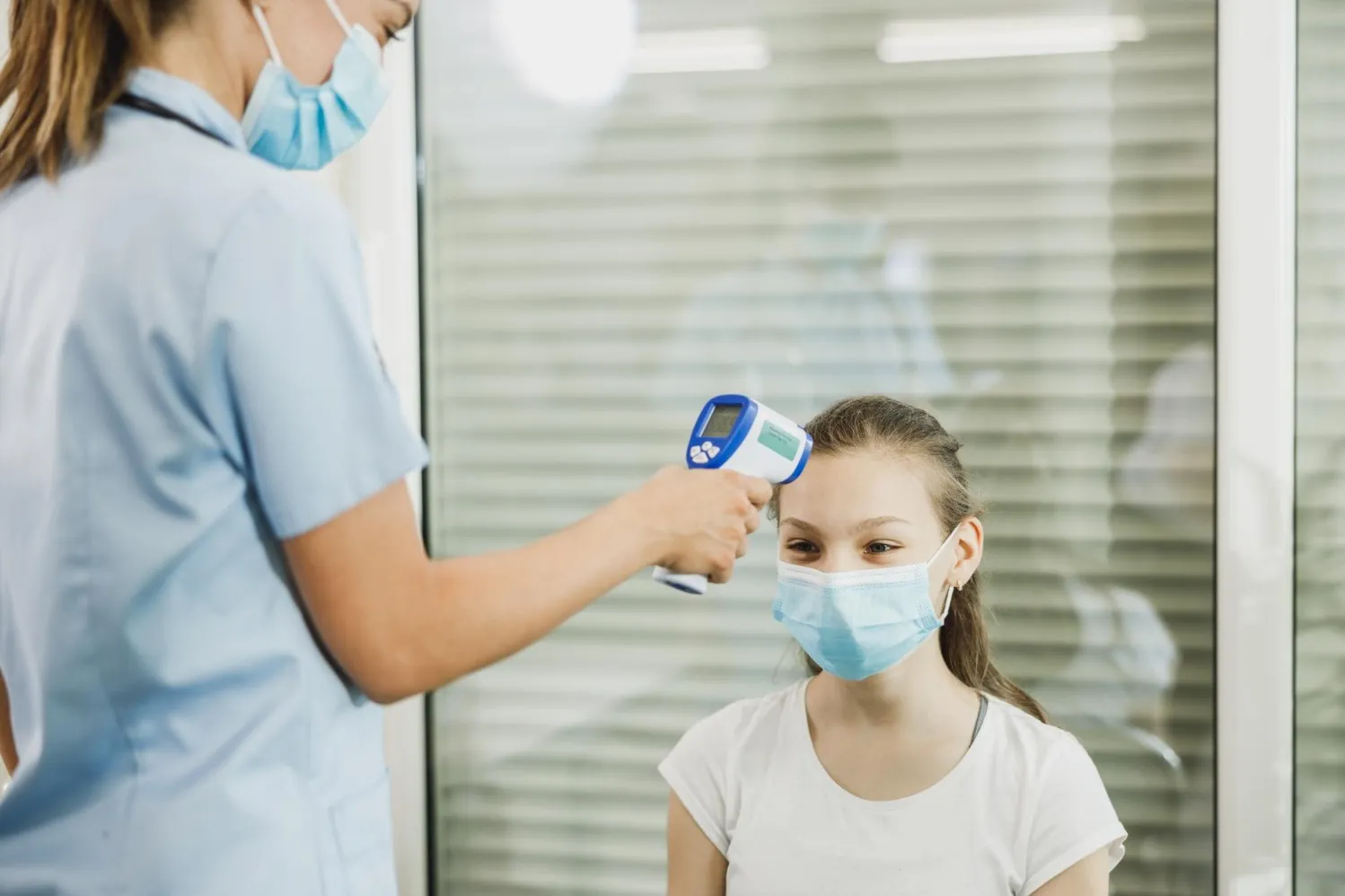
Children are naturally curious and active, which also means they are frequently exposed to viruses, bacteria, and other infectious organisms. While many childhood illnesses are mild and resolve with supportive care, some infections require prompt medical attention to prevent complications.
Knowing the warning signs of infectious diseases helps parents seek timely treatment and ensures children recover safely. Early diagnosis also reduces the risk of spreading infections to siblings, classmates, and other family members.
Why Children Are More Vulnerable to Infections
A child's immune system continues to mature throughout childhood. Exposure to schools, daycare centres, playgrounds, and social activities increases the likelihood of coming into contact with contagious illnesses.
Although common infections are a normal part of growing up, certain symptoms should never be ignored.
Symptoms That May Require Medical Evaluation
Parents should consider seeking pediatric care if their child experiences symptoms that persist, worsen, or appear more severe than expected.
Common warning signs include:
- Fever lasting more than two to three days
- High fever in infants
- Persistent cough
- Difficulty breathing
- Repeated vomiting
- Severe diarrhea
- Poor appetite
- Unusual sleepiness
- Persistent crying in young infants
- Skin rashes accompanied by fever
- Ear pain
- Pain while swallowing
- Swollen glands
- Signs of dehydration such as dry mouth or reduced urination
Prompt medical assessment helps identify the underlying cause and determine the most appropriate treatment.
Common Childhood Infectious Diseases
Children may experience a variety of infectious illnesses, including:
- Viral upper respiratory infections
- Influenza
- Ear infections
- Throat infections
- Pneumonia
- Gastrointestinal infections
- Hand, foot, and mouth disease
- Chickenpox
- Conjunctivitis
- Urinary tract infections
Each condition requires a different approach, making an accurate diagnosis essential.
Why Self-Medication Can Be Risky
Parents sometimes assume every fever requires antibiotics. However, antibiotics are only effective against bacterial infections and do not treat viral illnesses.
Using medications without proper medical advice may:
- Delay the correct diagnosis
- Increase antibiotic resistance
- Cause unnecessary side effects
- Mask symptoms of a more serious condition
A pediatrician evaluates symptoms, medical history, and examination findings before recommending treatment.
Caring for a Child During an Infection
Along with medical treatment, supportive care plays an important role in recovery.
Helpful measures include:
- Encouraging adequate fluid intake
- Providing sufficient rest
- Offering nutritious, easy-to-digest meals
- Monitoring body temperature
- Following prescribed medications carefully
- Keeping the child home from school until advised
Parents should avoid stopping medications early unless instructed by the doctor.
When Immediate Medical Attention Is Necessary
Certain symptoms require urgent pediatric evaluation, including:
- Difficulty breathing
- Bluish lips or skin
- Seizures
- Persistent drowsiness
- Severe dehydration
- Inability to drink fluids
- Fever in newborn babies
- Continuous vomiting
- Confusion or reduced responsiveness
Immediate care helps prevent serious complications and supports faster recovery.
Preventing Childhood Infections
Many common infections can be prevented by encouraging healthy habits.
Parents can reduce the risk by:
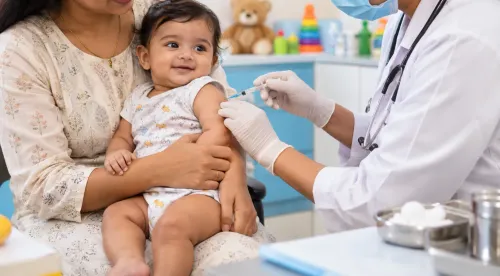
- Ensuring routine vaccinations
- Teaching proper hand hygiene
- Maintaining good nutrition
- Promoting adequate sleep
- Avoiding close contact with sick individuals
- Keeping toys and frequently touched surfaces clean
Preventive healthcare remains one of the most effective ways to protect children from infectious diseases.
Pediatric Infectious Disease Care
Parents in Lalbaug often seek timely pediatric care when children develop persistent fever, respiratory symptoms, or other signs of infection. Early medical assessment allows appropriate treatment while reducing the likelihood of complications and unnecessary medication use.
At Sattva Pediatric Clinic, children receive comprehensive evaluation for a wide range of infectious illnesses based on their age, symptoms, and medical history. Dr. Rishabh K. Shah focuses on accurate diagnosis, evidence-based treatment, and practical guidance that helps parents manage recovery confidently while supporting their child's overall health.
Keywords