Vaccination is one of the most effective ways to protect children from serious infectious diseases. By helping the immune system recognize and fight harmful bacteria and viruses, vaccines reduce the risk of illness and contribute to healthier communities. Understanding children's vaccination milestones enables parents to keep their child protected from birth through adolescence.
Although vaccination schedules may seem complex, each vaccine is recommended at a specific age to provide the best possible protection. Staying on track with these milestones helps children develop immunity before they are exposed to potentially dangerous diseases.
Why Vaccination Matters During Childhood
A child's immune system continues to develop during the early years. Vaccines safely prepare the body to recognize harmful infections without causing the disease itself. This not only protects the vaccinated child but also helps prevent the spread of illness to vulnerable family members and the wider community.
Routine immunization has significantly reduced the occurrence of diseases such as polio, measles, diphtheria, and hepatitis. Delaying vaccinations may leave children vulnerable during the period when they need protection the most.
Vaccination Milestones From Birth to Adolescence
Parents should follow the immunization schedule recommended by their pediatrician to ensure timely protection.
At Birth
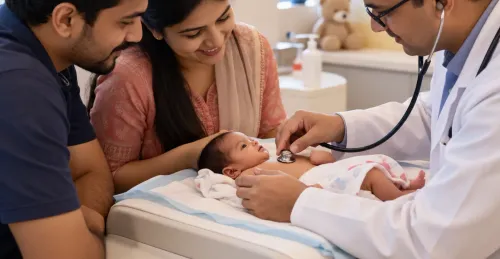
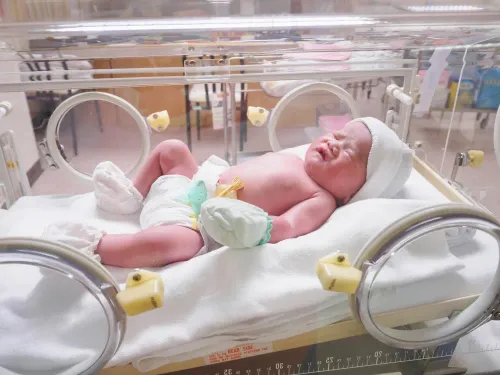
Newborns typically receive vaccines that help protect against serious infections from the very beginning of life. Early immunization lays the foundation for future vaccine protection.
During the First Six Months
The first six months involve several important vaccination visits. These appointments commonly include vaccines that protect against illnesses affecting the respiratory system, nervous system, and digestive tract.
Keeping these appointments on time is important because infants have limited natural immunity.
Between Six and Twelve Months
As babies become more active and begin interacting with their surroundings, additional vaccines help strengthen immunity against diseases that may spread through close contact or community exposure.
Parents should continue attending scheduled visits even if their child appears healthy.
One to Five Years
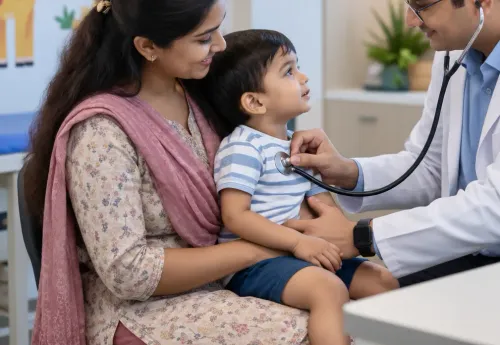
Booster doses play a vital role in maintaining long-term protection. During the preschool years, children receive additional vaccines that reinforce immunity developed during infancy.
Regular pediatric visits also provide an opportunity to review whether any vaccines have been missed.
School-Age Children and Teenagers
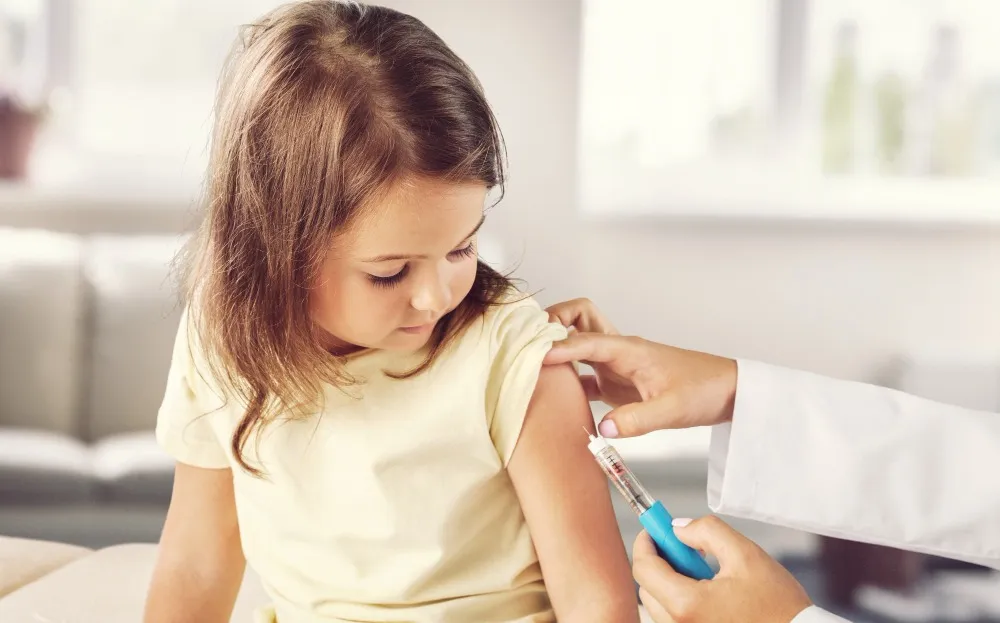
Vaccination does not stop after early childhood. Older children may require booster doses and age-specific vaccines to maintain protection as they grow.
Annual health checkups help ensure that immunization records remain up to date.
Tips for Keeping Vaccinations on Schedule
Busy family routines can sometimes lead to missed appointments. Parents can stay organized by:
- Maintaining a vaccination record
- Setting reminders for upcoming doses
- Scheduling the next visit before leaving the clinic
- Informing the pediatrician about any previous vaccine reactions
- Asking questions whenever unsure about the schedule
A well-maintained vaccination record is useful for school admissions and future medical care.
Common Questions Parents Ask
Are mild side effects normal?
Yes. Mild fever, soreness at the injection site, or temporary fussiness are common and usually resolve within a day or two.
Can vaccinations be delayed?
While unavoidable circumstances may occasionally delay a vaccine, it is best to follow the recommended schedule whenever possible. Your pediatrician can advise on catch-up vaccinations if needed.
What if my child misses a vaccine?
Missing a dose does not always mean starting over. A pediatrician can recommend a catch-up schedule based on your child's age and previous vaccinations.
Vaccination Helps Protect the Entire Community
When more children are vaccinated, diseases have fewer opportunities to spread. This community protection is especially important for newborns, children with weakened immune systems, and individuals who cannot receive certain vaccines for medical reasons.
Vaccination remains one of the safest and most effective preventive healthcare measures available.
Supporting Families With Childhood Vaccination
Families in Lalbaug benefit from having access to pediatric care that emphasizes preventive health alongside treatment. Routine vaccination visits also allow doctors to monitor a child's growth and answer parents' questions about nutrition, development, and overall well-being.
At Sattva Pediatric Clinic, vaccination schedules are planned according to each child's age and health needs. Dr. Rishabh K. Shah guides parents through every stage of childhood immunization, helping them understand recommended vaccines, expected milestones, and the importance of staying on schedule for long-term health.
Keywords