A baby at two months has very different needs from the same child at eight or ten months. That is why effective infant care changes throughout the first year rather than following one fixed routine.
The Early Months
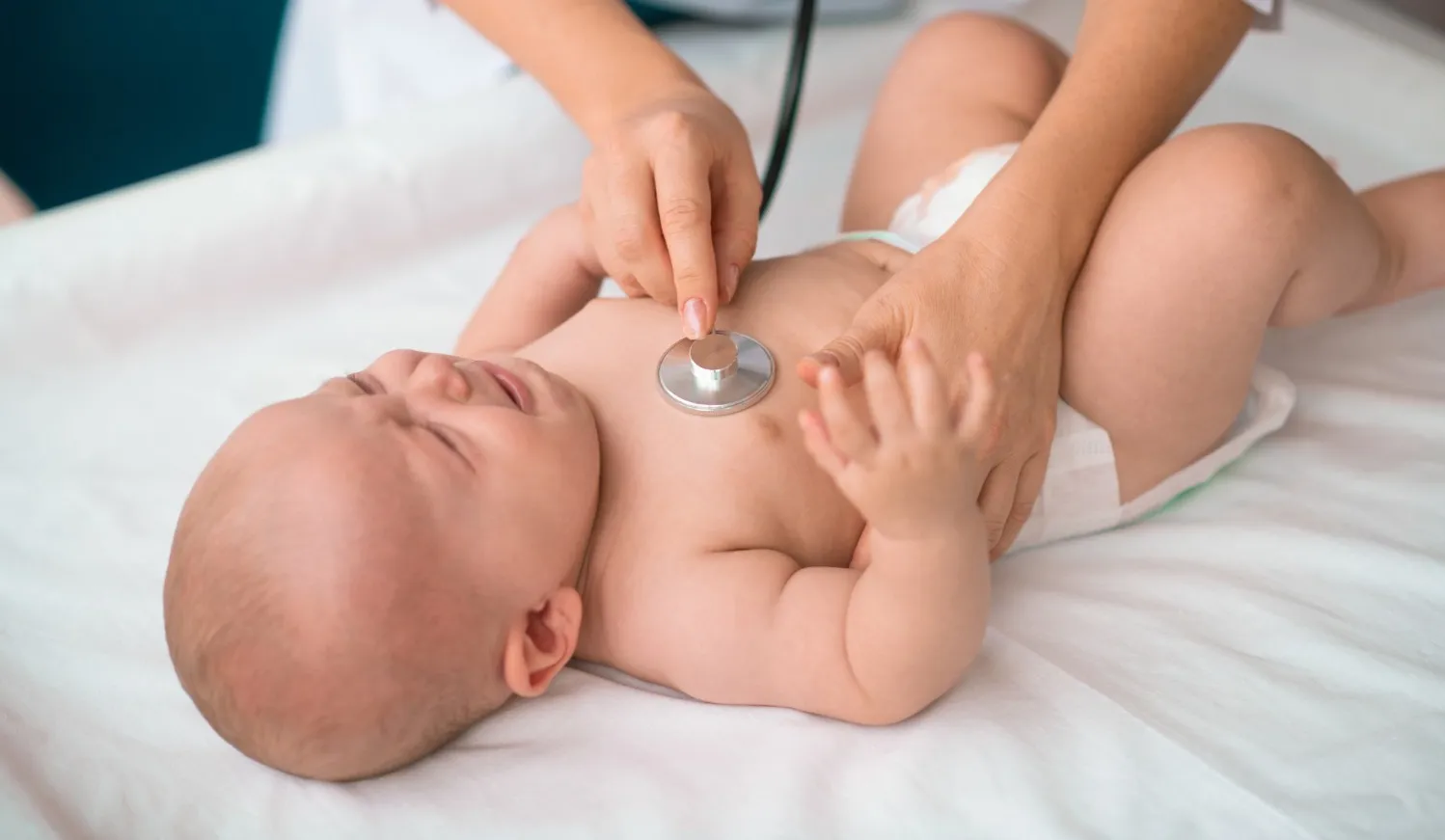
During early infancy, feeding, weight gain, sleep, vaccination, digestion, and parent-child interaction receive considerable attention. Regular growth measurements help determine whether the baby is progressing along an appropriate pattern.
As the months pass, movement and communication become more noticeable. Babies begin reaching, rolling, sitting, babbling, responding socially, and exploring their surroundings.
When Feeding Begins to Change
Complementary feeding introduces another major transition. Parents may need guidance about when to begin, appropriate textures, meal variety, and safe progression toward family foods.
Development should also be considered alongside feeding. A baby’s ability to sit appropriately and manage textures can influence how foods are introduced.
Preventive visits provide opportunities to review these changes rather than waiting until an illness occurs.
For parents in Lalbaug and nearby areas of Mumbai, Maharashtra, regular pediatric appointments can connect growth measurements, vaccinations, feeding history, and developmental observations within one health record.
Dr. Rishabh K. Shah at Sattva Pediatric Clinic provides pediatric consultations across infancy.
Thoughtful Infant care combines what parents observe every day with periodic medical assessment, creating a practical approach to growth, nutrition, vaccination, development, and changing health needs during the first year.
Keywords